Reading Group Roundup: September 2026
The power of a reading group.
Reading groups have a lot to offer. They help readers get out of their comfort zones and try new authors and genres. They’re also a chance to get together with others to compare responses – best book ever or like wading through mud? And the groups can build trust and friendship in a relaxed and safe space.
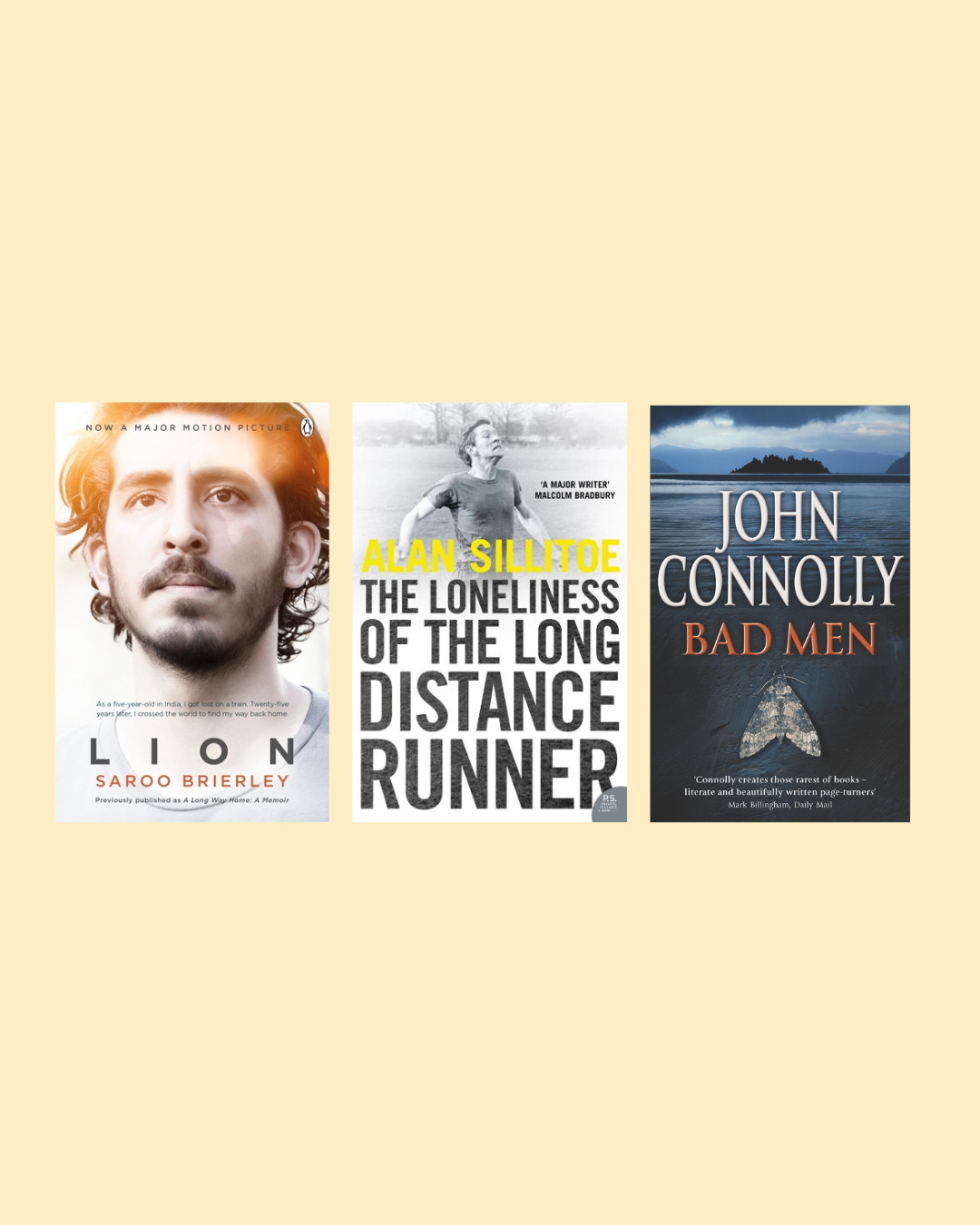
This month’s reports from three different groups show this in action. One of the groups at Wormwood Scrubs recently read Saroo Brierley’s Lion. It’s the true story of five-year old Saroo who lived in a poor village in India with his mother and three siblings until one day he boarded a train alone and got lost. For twenty-five years. The book follows what happened to him, first on the streets of Calcutta, then as part of a comfortable middle-class Aussie family in Tasmania before he finally found his way back home. In 2016 the book was made into a film starring Dev Patel, Nicole Kidman and Rooney Mara.
Discussion ranged from questions of fate, destiny and miracles to life on the streets and mother love, and everyone was keen to hear and respond to what others thought, ‘As the brother says’, ‘I agree’.
The group was also very inclusive and encouraged a new recruit who was born in India to share his knowledge and experience. At the end of the session one member summed it up: ‘This group is great, can we meet more often?’
The Hollesley Bay group read Alan Sillitoe’s 1959 short story, The Loneliness of the Long-Distance Runner. The central character is Smith, a teenager from a dismal working-class area of Nottingham who has little in his life except the running he takes up to find emotional escape from his situation. When he’s sent to a Borstal for petty crime his talent for running is spotted by those in charge. They offer him better conditions for the last six months of his sentence if he wins an important cross-country race against a prestigious public school. The outcome brings the reader up against a fundamental question: what does freedom really mean?
The story led to lively debate about class and background as well as the possibility of freedom in prison. At the end of the session members were asked what they liked about the reading group:
‘Meeting other people and hearing their interpretations is both challenging and enjoyable.’
‘Feeling part of a group and feeling respectful and valued is very positive.’
And from a new member: ‘It was good to feel comfortable so easily and quickly among a group I hadn’t met before.’
At Liverpool the group opted for John Connolly’s Dead Men. The story is set on an island off the coast of Maine with a centuries-long history of violence. A band of killers has arrived to hunt down a young mother and her son. All that stands between them is a rookie cop and the island’s longstanding policeman, a troubled man and guardian of the island’s ghosts.
The group had read another Connolly novel a while back and had given it a pretty complete thumbs down. But Bad Men had been lobbied for by one of the members and everyone worked hard to find the positives in it: a stronger narrative voice, better pacing and some intriguing intertwined story lines. At the end of the session they jokingly agreed to let the chooser stay in the group but threatened to eject the group facilitator who hadn’t finished it!
Prison Reading Groups (PRG) was created in 1999 to set up, support and fund informal reading groups in prisons. We currently support more than 100 groups in over 65 prisons nationwide. If you’re interested, check with your library to see if there’s a group in your prison. PRG is part of registered charity Give a Book.